Outdoor Dehumidifiers vs Indoor Units Which is Better
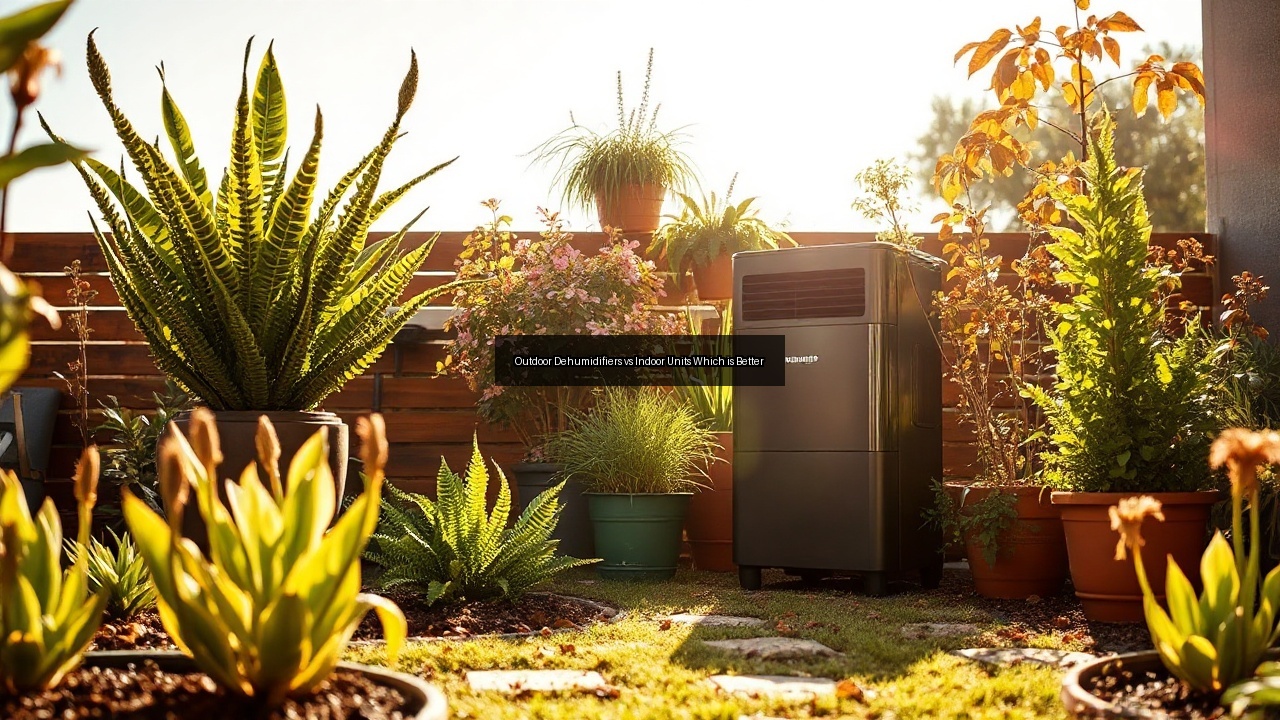
Understanding Dehumidifiers: Outdoor vs Indoor
The Role of Humidity in Our Environment
Humidity plays a critical role in our environment, influencing both comfort best outdoor dehumidifierdehumidification levels and the overall integrity of buildings. High humidity can lead to mold growth, structural damage, and discomfort. In residential and commercial settings, controlling moisture levels becomes essential for maintaining a healthy living or working environment. Outdoor spaces, such as patios, basements, and garages, often experience higher humidity levels, especially in coastal or rainy regions. This moisture not only affects air quality but can also lead to the deterioration of outdoor furniture and structures. Hence, understanding the nuances of humidity management is vital for both indoor and outdoor settings, making the choice between outdoor dehumidifiers and indoor units crucial for effective dehumidification.
How Dehumidifiers Work: A Quick Overview
Dehumidifiers operate by drawing in humid air, removing the moisture, and releasing drier air back into the environment. Most units utilize a compressor, which cools the air to condense the moisture into water droplets that collect in a tank. This process air dehumidifier can vary slightly between indoor and outdoor models, but the core functionality remains the same. Indoor dehumidifiers typically have a smaller capacity suited for enclosed spaces, while outdoor units are designed to handle larger volumes and harsher conditions. Understanding how these devices operate aids in selecting the right unit based on specific needs and environmental factors.
Key Differences Between Outdoor and Indoor Units
Outdoor and indoor dehumidifiers differ significantly in design, capacity, and functionality. Outdoor units often feature robust, weather-resistant casing, enabling them to withstand rain, high temperatures, and other environmental challenges. They typically have a larger tank capacity, measured in gallons per day, allowing them to manage higher humidity levels in extensive areas. Conversely, indoor dehumidifiers are more compact and designed for specific rooms or smaller areas. These units are often quieter, making them more suitable for living spaces. Understanding these differences helps users select the right dehumidification system based on their specific requirements.
Benefits of Outdoor Dehumidifiers
Efficiency in Large Spaces
Outdoor dehumidifiers excel in managing humidity in large spaces, such as warehouses, patios, and basements. Their ability to process significant volumes of air makes them particularly effective in environments where moisture levels fluctuate dramatically. Unlike indoor units, which can struggle to keep up with high humidity levels in expansive areas, outdoor models maintain a consistent humidity level, ensuring comfort and preventing moisture-related issues. This efficiency is crucial for both residential and commercial applications, particularly in areas prone to heavy rainfall or high humidity.
Energy Consumption and Cost Savings
Energy efficiency is a vital factor when considering dehumidifiers. Outdoor dehumidifiers often come equipped with Energy Star ratings, indicating they meet strict energy efficiency guidelines. These units consume less electricity compared to their indoor counterparts, resulting in significant cost savings over time. For businesses or households that require continuous dehumidification, the reduced electricity usage translates to lower utility bills. Moreover, investing in a high-quality outdoor dehumidifier can lead to fewer maintenance issues and longer device life, further enhancing the cost-effectiveness of the purchase.
Durability and Weather Resistance
Outdoor dehumidifiers are designed to withstand the elements, featuring robust construction and weather-resistant features. This durability ensures that they can operate effectively even in challenging conditions, such as rain or extreme heat. Manufacturers often build these units with corrosion-resistant materials and protective casings to prolong their lifespan. In contrast, indoor dehumidifiers may not offer the same level of protection and are typically suited for climate-controlled environments. The durability of outdoor models makes them a reliable choice for long-term moisture management in various settings.
Considerations for Choosing the Right Unit
Room Size and Capacity: Gallons per Day
When selecting a dehumidifier, consider the size of the area requiring moisture control. Outdoor dehumidifiers are available in various capacities, typically measured in gallons per day (GPD). For larger spaces, such as warehouses or patios, a unit with a higher GPD rating is essential to effectively reduce moisture levels. Conversely, smaller units may suffice for indoor rooms or compact areas. Assessing the room size and the corresponding capacity of the dehumidifier ensures optimal performance and efficient dehumidification, preventing excess humidity and related problems.
Electricity and Energy Star Ratings
Electricity consumption plays a significant role in the overall cost of operating a dehumidifier. Units with Energy Star ratings indicate superior energy efficiency, which is particularly important for outdoor models that may run continuously. Always check the energy consumption specifications before making a purchase. Choosing an outdoor dehumidifier with a favorable energy rating not only helps reduce utility bills but also minimizes environmental impact. Investing in energy-efficient technology is a win-win, offering savings while promoting sustainable practices.
Maintenance and Warranty Options
Maintenance is a critical aspect to consider when choosing a dehumidifier. Outdoor models may require more frequent upkeep due to exposure to outdoor elements. Look for units that offer easy-to-clean filters and accessible components. Additionally, warranties vary widely among manufacturers; a solid warranty can provide peace of mind and protect your investment. Ensure you understand the maintenance requirements and warranty options before deciding, as these factors can significantly affect the long-term performance and reliability of your dehumidification system.
Conclusion: Making an Informed Decision
When to Choose an Outdoor Dehumidifier
Choosing an outdoor dehumidifier becomes essential in situations where humidity levels are consistently high, particularly in large, open spaces. If you manage a commercial property, outdoor events, or maintain outdoor furniture and equipment, investing in a robust outdoor unit proves beneficial. These models not only handle higher moisture levels effectively but also offer durability and efficiency that indoor units cannot match. Assess your specific needs, including the size of the area and moisture levels, to make an informed decision.
Final Thoughts on Dehumidification Needs
Understanding the differences between outdoor dehumidifiers and indoor units allows for a more informed choice based on individual needs. Outdoor dehumidifiers excel in efficiency, durability, and energy savings, making them ideal for large, exposed areas. On the other hand, indoor units serve well in smaller, enclosed spaces. Evaluate your requirements, consider factors such as room size, energy consumption, and maintenance needs, and choose the dehumidification solution that best suits your environment. Proper moisture control enhances comfort, protects property, and promotes a healthier atmosphere.